Firstground Field Notes
Passing Down Acreage Is the Easy Part
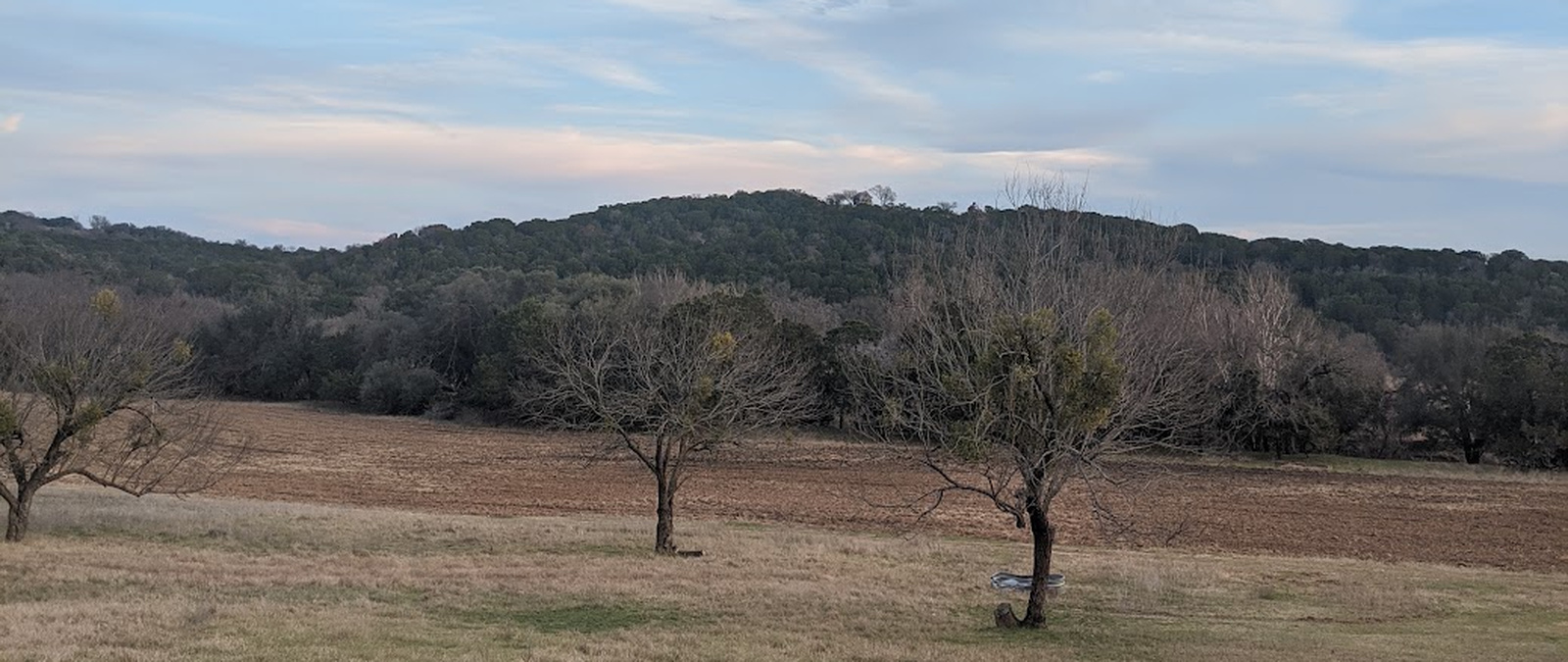
By the time a family starts talking seriously about succession, a lot of the succession plan is already sitting on the ground.
It is in the debt. The water system. The fences. The equipment. The enterprises that were added and the ones that disappeared. It is in the condition of the soil and forage, the labor the operation requires, and the knowledge one person has been carrying around in their head for forty years.
Succession has been happening the whole time. The family was just calling it management.
We tend to treat succession as something that happens near the end. Eventually there will be lawyers, deeds, trusts, wills, tax planning, ownership percentages, and hard conversations around a kitchen table. All of that matters, and most of it belongs in the hands of people who work in those fields every day.
But a deed can transfer acreage. It cannot transfer a functioning whole.
The next manager inherits whatever today's management leaves behind.
The Knowledge Has to Move Before the Keys Do
There is a kind of knowledge on a working ranch that is difficult to put into a binder.
Someone knows which pasture gets ugly first in a dry year. They know where water stands after three wet days, which cows start falling apart when forage quality slips, which piece of equipment can limp through another season, and which one cannot. They also know which neighbor will show up when something goes wrong and which gate needs a second look before cattle go into that pasture.
Records matter. Maps matter. Grazing plans, financial records, soil tests, inventories, maintenance histories, and written procedures all make an operation easier for someone else to understand.
But records transfer information. Practice transfers judgment.
The next generation does not develop management judgment by watching somebody else make every meaningful decision. They develop it by making decisions, living with the results, and adjusting while there is still someone around who knows the ground well enough to help them understand what happened.
That experience needs to happen before the older generation is gone.
But preparing the next manager is only half of it.
We also have to prepare the operation to be managed by somebody else.
The Operation Has a Succession Plan Too
Imagine the next generation is capable, willing, and ready.
What are they actually inheriting?
A ranch carrying enough debt that they cannot afford a bad year? A water system built around one enterprise they may not want? Fences and working facilities that require more labor than they have? Equipment that only makes economic sense because Dad knows how to keep it alive? A grazing system that works because somebody is checking cattle twice a day?
Or are they inheriting an operation with room to move?
That difference matters.
Every major management decision changes what the next manager will be able to do. New debt changes it. Infrastructure changes it. Enterprise choices change it. Deferred maintenance changes it. Soil and forage condition change it.
A decision can make perfect sense for the person running the ranch today and still narrow the choices available to the person running it fifteen years from now.
That does not mean we stop investing or refuse to make long-term decisions because somebody else may eventually want something different.
It means the next manager’s room to move belongs in the decision too.
What Are You Actually Trying to Pass Down?
This is where succession gets harder than dividing property.
Sometimes the real goal is keeping the acreage in the family.
Sometimes it is preserving a functioning agricultural business.
Sometimes it is giving children a place they can come home to.
Those are not necessarily the same objective.
A family can preserve ownership and lose the business. It can preserve the business while changing enterprises completely. It can keep every acre and hand the next generation an operation they cannot afford to run.
So before deciding what succession should look like, it helps to get clear about what the family is actually trying to preserve.
Then look at the operation through that lens.
If the next generation wants to ranch, does the land have the ecological capacity to support the enterprise being handed to them?
Can the business carry its debt?
Can the labor requirement survive losing the current manager?
Can somebody understand why the grazing system, water system, fencing, and enterprises are arranged the way they are?
Can the next manager change course without tearing everything apart first?
The land does not care what the paperwork promises. Sooner or later the books and the ground have to agree.
Options Are Part of the Inheritance
We usually think about inheritance in terms of assets.
Acres. Cattle. Equipment. Cash. Buildings.
I would add options to that list.
Healthy soil is an option.
Reliable water is an option.
Manageable debt is an option.
Useful infrastructure is an option.
Good records are an option.
A successor who has already been allowed to make meaningful decisions is an option.
So is an operation that can change when markets, rainfall, family circumstances, or the goals of the next generation change.
Those things give the next manager room to make decisions instead of simply servicing decisions made twenty years earlier.
That may be one of the most valuable things one generation can leave the next.
Succession is a management project already underway.
You cannot control whether your children ultimately choose the same life you did.
You can control whether the operation you are running today is becoming easier or harder for somebody else to carry.
That part is management.