Firstground Field Notes
Translators, Not Messengers
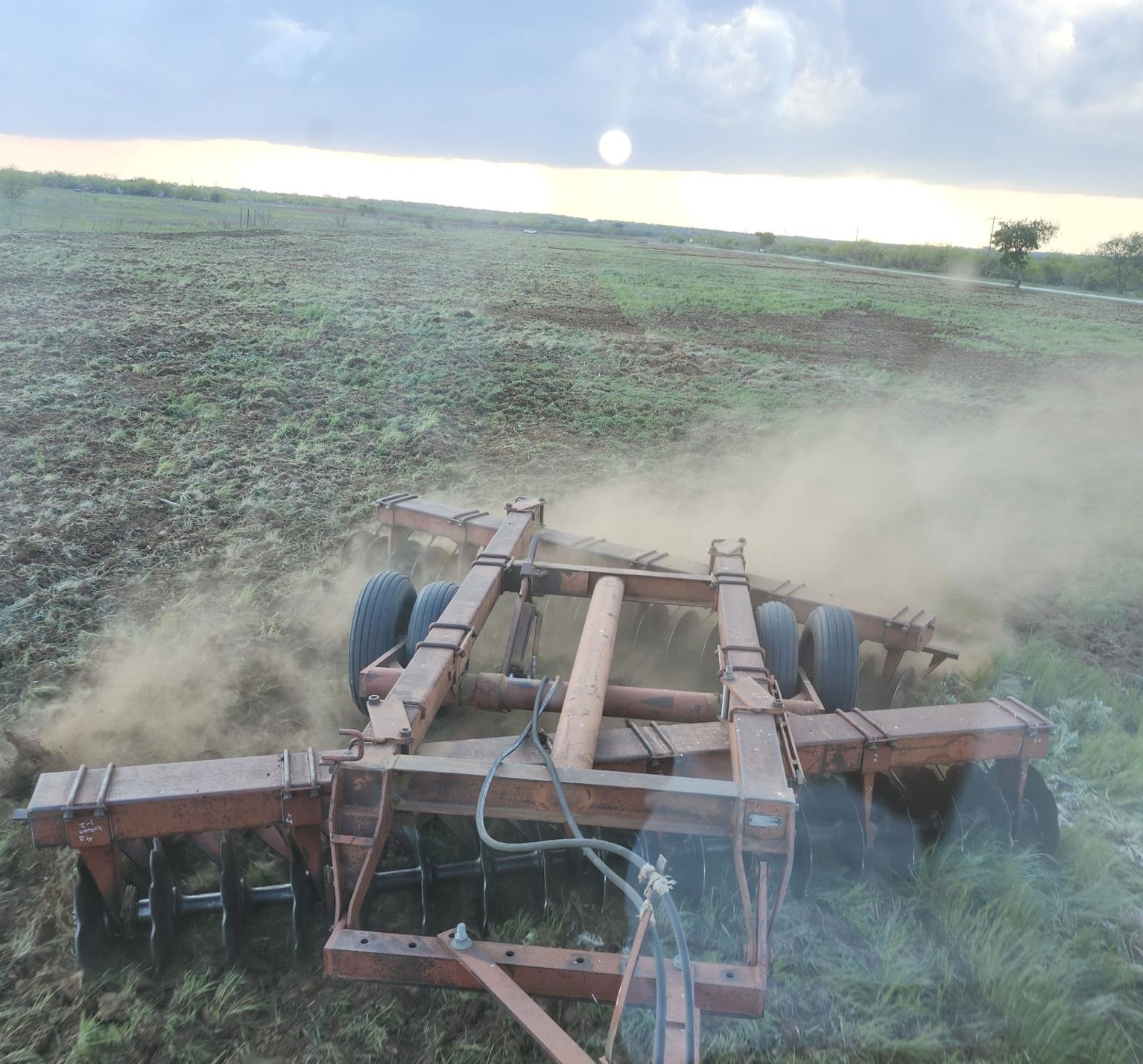
A recommendation can be technically correct and still be a bad recommendation.
The research may be solid. The practice may have worked across thousands of acres. The numbers may pencil, and there may even be cost-share money sitting there ready to help pay for it.
And it can still be wrong where you are standing.
Wrong ground. Wrong timing. Wrong infrastructure. Wrong labor. Wrong risk. Most of us know the list.
I get reminded of this on land walks. Something that looked straightforward at my desk and in the truck doesn’t stand when I put it to the land. Water is moving somewhere the map didn’t show. The grass, the slope, the way cattle are using the place… they start adding pieces the paper didn’t have.
That is where a messenger and a translator start doing different work.
A messenger can carry good information from research to the field, and there is real value in that. We need people who know the literature, keep up with the programs, and know what has worked elsewhere.
But delivering good information is only part of the job. Somebody still has to decide what it means on this ground.
None of this is new. Extension people were wrestling with that gap long before I came along.
The Things We Can Count
There is a reason good professionals can slip into messenger work.
Programs have to report what happened. Practices installed. Acres treated. Dollars obligated. Workshops held. People reached. The money and the work have to be accounted for.
Counting the work has a way of becoming the work.
What is harder to capture is whether any of it was the right call for that piece of ground, or for the people who answer for what happens there.
That is not a knock on the institutions doing the work. They care about outcomes and have spent years trying to measure them. Some things are simply easier to count than others.
Judgment is one of the things that isn’t.
The Operator Is Part of the Evidence
Technical knowledge cannot make that judgment by itself.
The farmer, rancher, landowner, or manager is not an empty vessel waiting for somebody with a degree, a government truck, or a consulting agreement to fill them with the correct answer. They know things nobody else in the conversation can know until somebody bothers to ask.
A grazing plan may make good sense on a map. Then the rancher points toward a draw that looks harmless in August and tells you what it does every wet spring.
The adviser has research, tools, and an outside set of eyes. The operator may have spent years watching water move, cattle choose their paths, fields dry out, machinery bog down, weeds show up, fences fail, and seasons refuse to cooperate.
Then there is the land itself. It settles arguments eventually.
One piece usually isn’t enough.
Not one soil test. Not one plant. Not one yield number. Not one research paper. Not one person’s memory of what happened ten years ago.
You put the pieces together.
Before You Make the Call
Take grazing management. A recommendation can make perfect biological sense and still depend on fencing, distributed water, labor, or management attention that simply is not there yet.
Restoration work has its own version of the same problem. You can treat erosion where it is showing up without changing what is feeding it from uphill. It may look better for a while. That does not tell you whether you fixed the problem.
So I keep coming back to fairly ordinary questions.
- Does this solve the problem we are actually trying to solve?
- Can they do it with what they have?
- Can they try it without betting the farm?
- What are we going to watch afterward?
- What else changes if it works?
These questions cannot make the call for you, but they may save you from getting lazy when you do.
Sometimes twenty acres get the treatment this year and the other two thousand wait. There is value in seeing how the first twenty answer before you commit the rest.
There is no weakness in that. A tool does not become better because it is more ambitious.
The Rest of the System
Land management problems do not stay inside the categories we give them.
Change where cattle can get water and they may use the property differently. Change grazing pressure and vegetation responds. Remove cover in one place and water may behave differently somewhere below it. A treatment can work exactly as intended and still give you something else to deal with.
That belongs in the decision too.
I have started thinking about some recommendations in terms of what they borrow. If getting the result today costs soil, water, or choices that will be needed later, I want to know that before calling it a good result.
Sometimes the answer is to do less. Sometimes it is to wait.
And sometimes the answer is, “I don’t know yet.”
There is nothing wrong with that answer if you know what you still need to learn. It may be the most responsible thing said during the whole conversation.
Translation Is Judgment
When I say the best advisers are translators, not messengers, I do not mean they are there to simplify science for people who cannot understand it. That would be both wrong and insulting.
Research gives us tested ideas, patterns, and a wider view than any one property can provide. Then we have to stand on the actual ground and see what is there. We listen to the operator. We pay attention to what the land is doing. We look at what the operation can realistically carry, and we look past the thing we are trying to fix long enough to notice what else may move with it.
That is the work.
The answer is rarely sitting in one place waiting to be picked up. You build it from what the research tells you, what the operator knows, what you can observe, and what happens after you act.
Then you make the call.
Does this belong here?
That question carries more weight than whether a practice is technically defensible. Somebody has to live with what follows. On working land, that somebody is rarely the last one.
Somebody works this ground next.
North Central Texas has been cattle country for roughly six generations now. Long enough for a decision made by somebody you never met to still be part of the property you are walking today. Fence lines, water, soil, woody cover, old erosion, good decisions, bad ones. We inherit all of it.
The people who come after us will too.
That is one reason I do not think the adviser’s job should end when the recommendation gets delivered. Nobody can stay attached to every project forever, but there ought to be enough of a feedback loop to learn something from what happened.
Call back. Walk it again when you can. Look at the monitoring. Ask what changed, what did not, and what surprised the person working the place.
Then let the answer change the next recommendation.
That is translation too.